
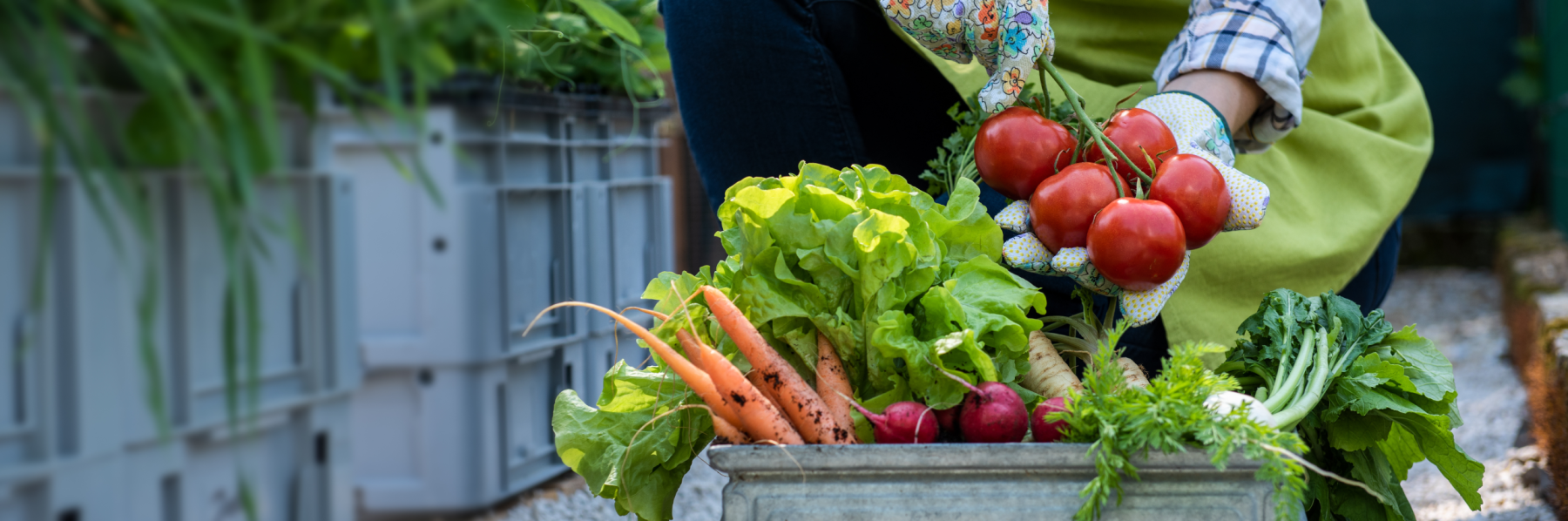
Ever wonder why your broccoli yellows or your lettuce wilts just a few days after
unpacking your Farmbox? The answer might not be the freshness—it could be a
naturally occurring compound called ethylene gas. Understanding how ethylene works and how to store produce properly can help your fruits and veggies last longer and stay crisp, vibrant, and flavorful.
What Is Ethylene Gas?
Ethylene is a natural plant hormone in gas form that certain fruits and vegetables release as they ripen. While it’s helpful for softening items like avocados or peaches, it can also accelerate spoilage in nearby produce—especially if it’s sensitive to the gas.
The Ethylene Categories

High Ethylene Producers
These fruits release significant amounts of ethylene gas and should be stored separately from sensitive items:
-
- Apples
-
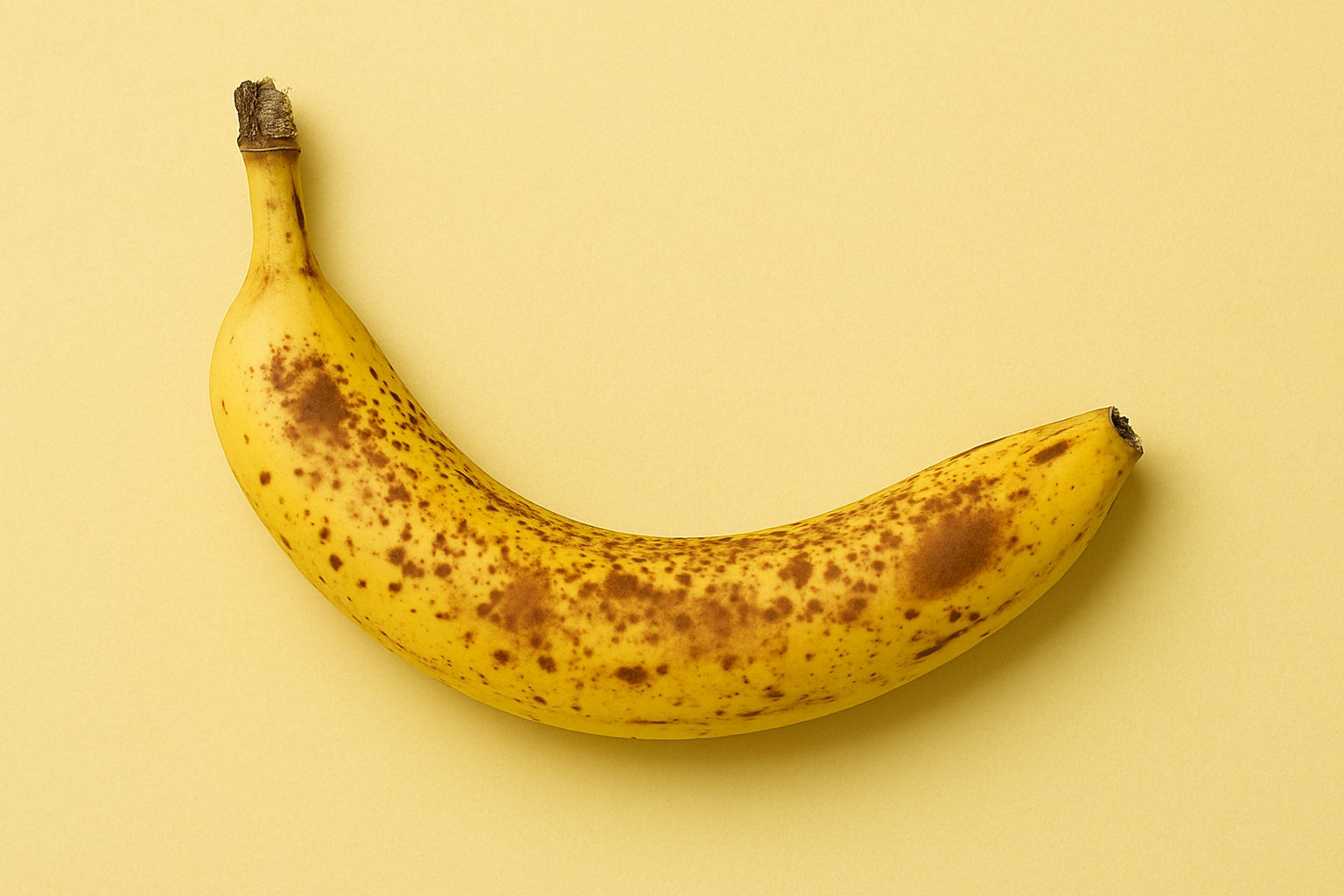
- Bananas
-
- Avocados
-
- Pears
-
- Peaches
-
- Plums
-
- Tomatoes
-
- Mangos
-
- Kiwis
Ethylene-Sensitive Produce
These vegetables and fruits are particularly vulnerable to ethylene exposure, which can cause them to yellow, soften, wilt, or become bitter:
-
- Leafy greens (lettuce, spinach, arugula, kale)
-
- Broccoli
-
- Cucumbers
-
- Carrots
-
- Potatoes
-
- Green beans
-
- Cabbage
-
- Asparagus
-
- Cauliflower
Low or Non-Ethylene Producers
These items produce very little to no ethylene and are generally safe to store near sensitive produce:
-
- Berries (strawberries, blueberries, raspberries)
-
- Citrus fruits (oranges, lemons, limes, grapefruit)
-
- Cherries
-
- Pineapples
-
- Watermelon
-
- Peppers
-
- Eggplant
-
- Zucchini
-
- Corn
-
- Garlic and onions (although they should still be stored separately due to strong aromas)
Storage Tips to Extend Freshness

-
- Separate storage: Keep ethylene producers away from sensitive vegetables. Use separate drawers or containers for fruits and veggies.
-
- Use fridge drawers wisely: Store fruits in one crisper drawer and vegetables in the other to avoid cross-exposure.
-
- Avoid countertop clustering: Don’t keep bananas, avocados, and tomatoes in a bowl with leafy greens or broccoli.
-
- Seal cut fruits: Store cut apples, pears, and other high-ethylene producers in airtight containers.
-
- Try ethylene absorbers: Special produce-saving liners or ethylene-absorbing packets can help extend the shelf life of delicate items.

The Farmbox Florida Difference
At Farmbox Florida, we thoughtfully curate and pack your weekly produce box with freshness in mind, including balancing ethylene-producing and ethylene-sensitive items. But once it reaches your kitchen, proper storage is the key to getting the most out of every delivery.
When you store your produce smartly, you reduce food waste, save money, and enjoy fresher meals all week long.
Want more produce tips?
Follow us on Instagram or check out our weekly blog for recipes, storage guides, and meal ideas made just for your Farmbox.